
Form 1065 is an IRS-required tax return that partnerships use to report yearly income, expenses, and allocations so each partner can correctly report taxes on their own return.
Form 1065 – U.S. Return of Partnership Income Guide for Beginners. Call +1-866-513-4656 for expert help and guidance.
Partnership taxes confuse even smart business owners. You share profits easily, but tax responsibility feels less friendly. Form 1065 exists to bring order to that chaos, and the IRS takes it seriously.
This guide explains Form 1065 without legal fog or unnecessary drama. We rely on verified IRS resources, clear logic, and real-world tax practices that partnerships actually use.
Table of Contents
What Is Form 1065
Who Needs to File Form 1065
What Form 1065 Includes
Form 1065 Due Date
Late Filing and Penalty Risks
BooksMerge Professional Support
Final Thoughts
FAQs
What Is Form 1065?
Form 1065 is officially titled the U.S. Return of Partnership Income. Partnerships use it to report business income, deductions, and financial activity for the tax year.
The partnership does not pay income tax directly. Instead, income passes through to partners using Schedule K-1. Each partner then reports that share on an individual tax return.
Who Needs to File Form 1065?
Any business classified as a partnership must file Form 1065 annually. This requirement applies even when the business earns zero income.
General partnerships
Limited partnerships
Multi-member LLCs taxed as partnerships
If your business has more than one owner and no corporate election, Form 1065 likely applies.
What Form 1065 Includes?
Form 1065 provides the IRS with a full financial snapshot of the partnership. Clean bookkeeping plays a critical role here.
Gross income and operating expenses
Deductions and tax credits
Partner capital accounts
Schedule K and individual Schedule K-1s
The IRS offers step-by-step explanations in the official Form 1065 instructions. Following them reduces reporting errors.
Form 1065 Due Date
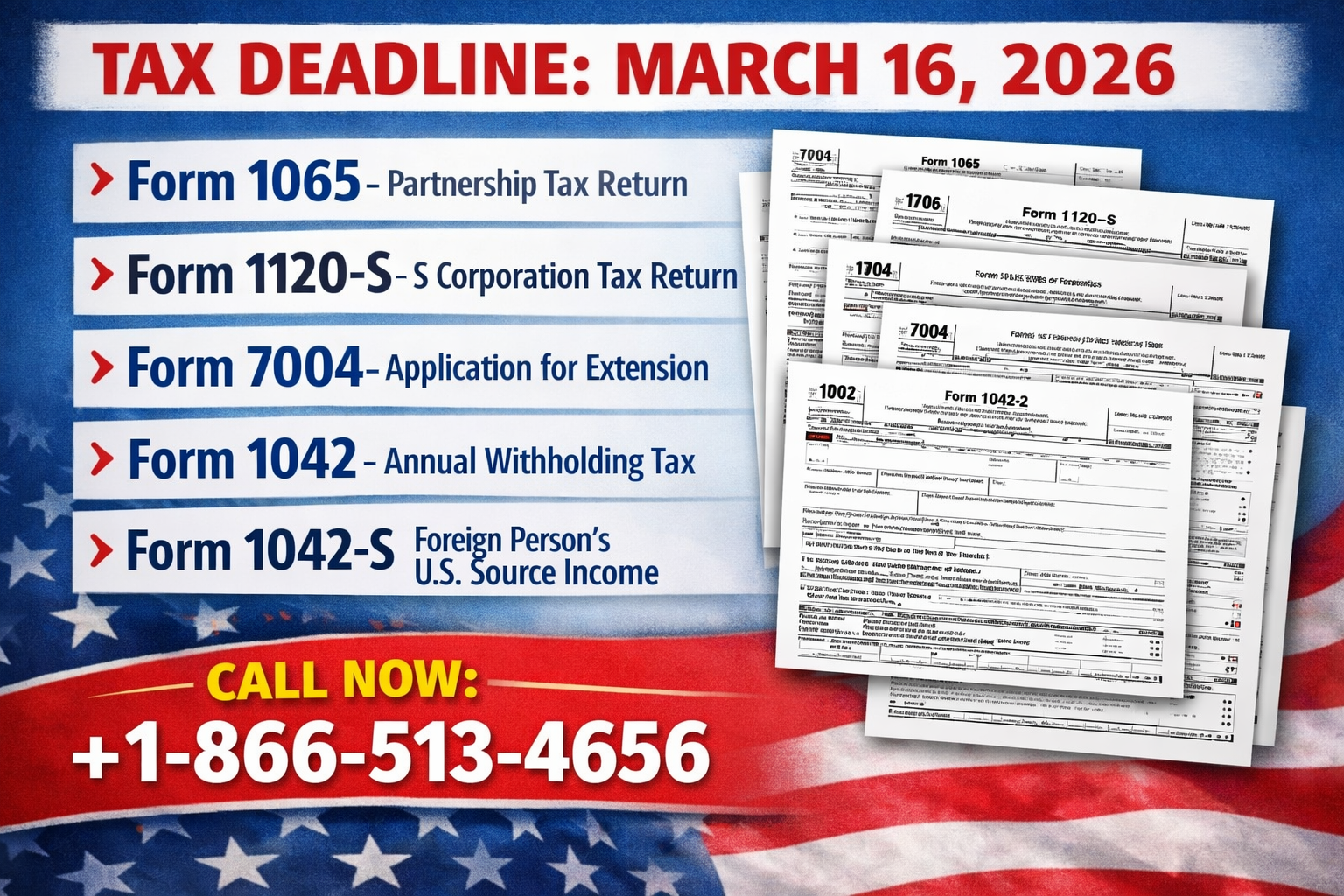
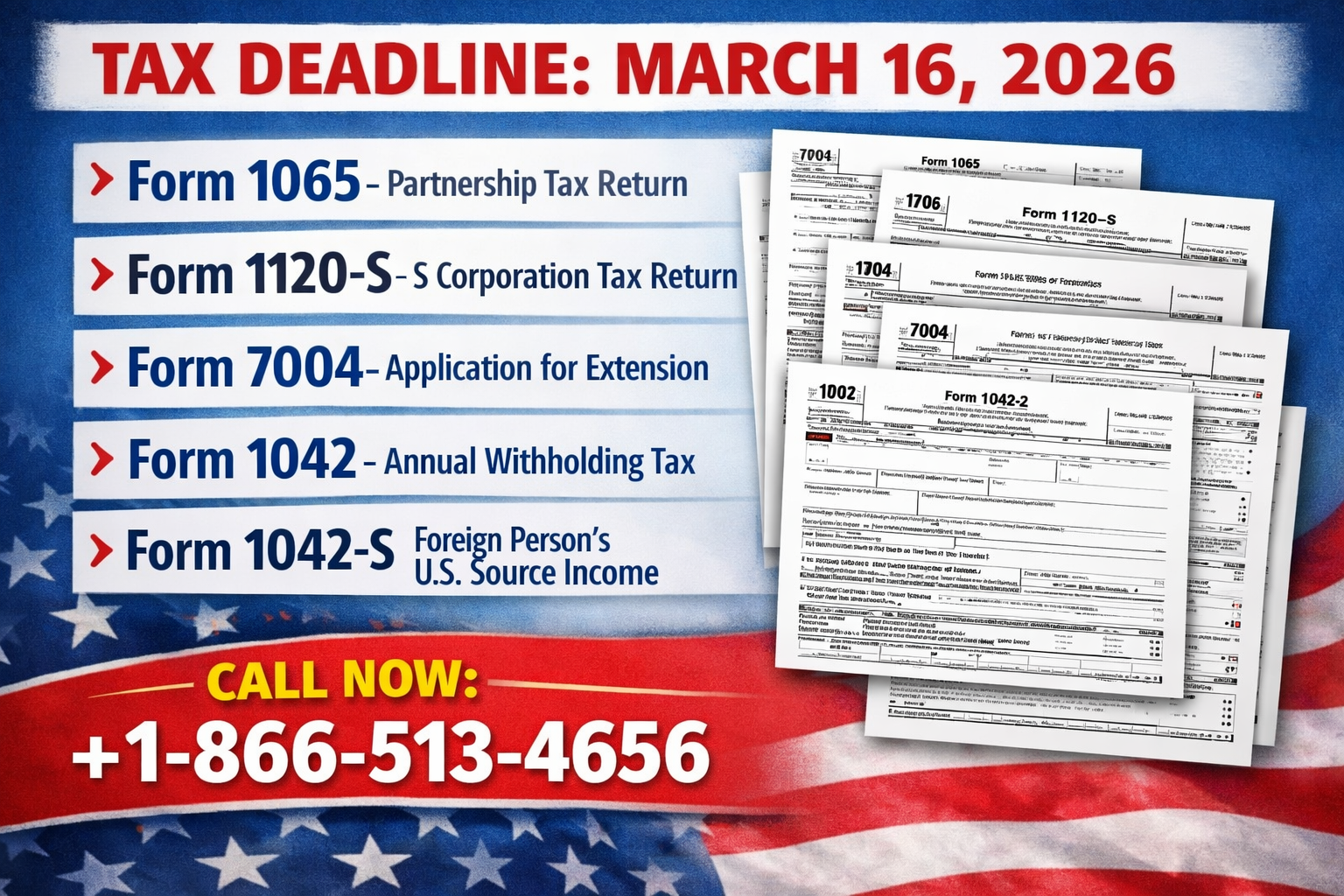
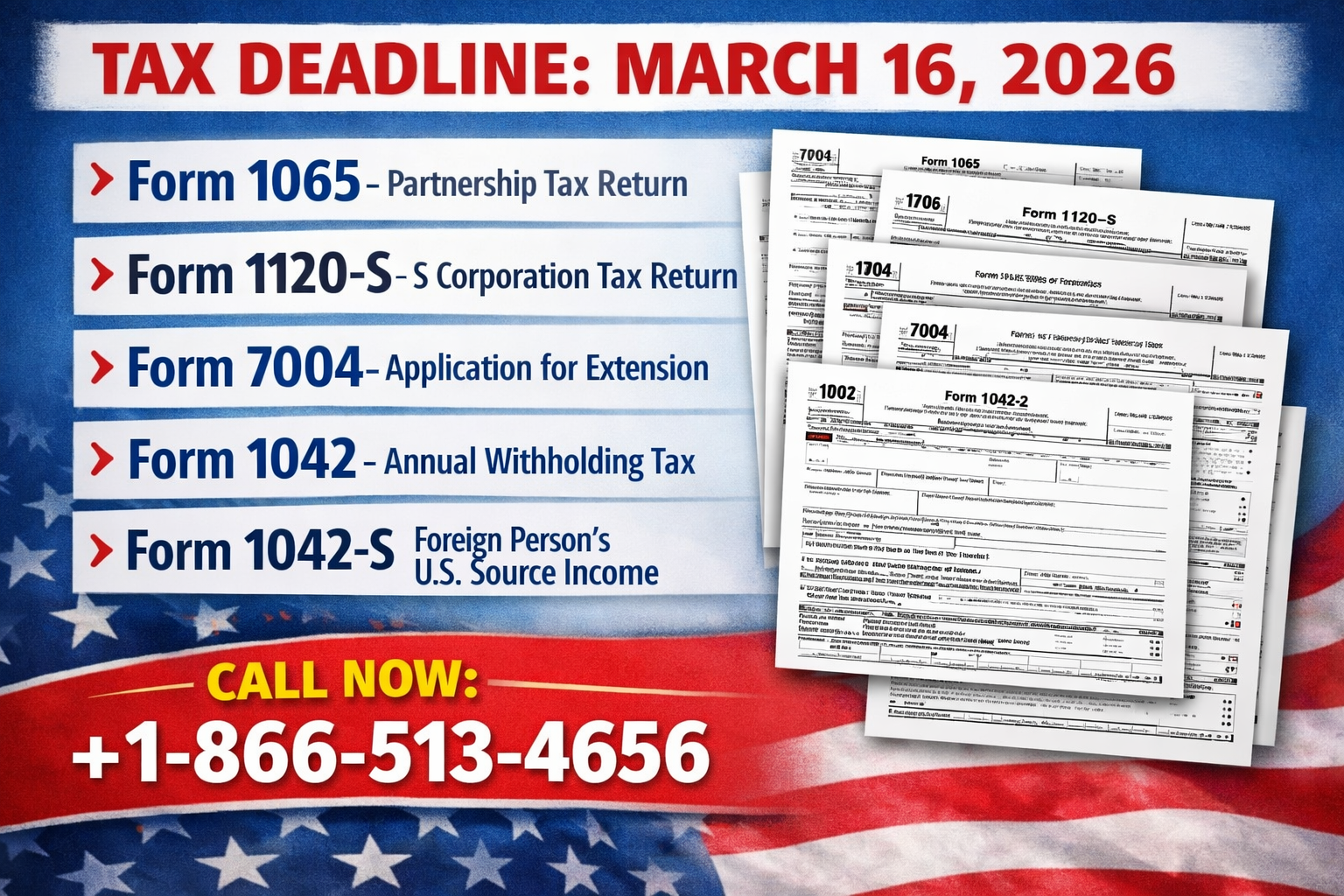
The standard deadline to file Form 1065 is March 15. If that date falls on a weekend or federal holiday, the IRS extends it to the next business day.
Partnerships needing extra time may file Form 7004 for an automatic extension. Extensions provide more time to submit the form, not more time to estimate numbers.
Late Filing and Penalty Risks
The IRS applies penalties for late Form 1065 filings on a per-partner basis. Even a small delay can lead to significant costs.
Incorrect partner allocations, missing K-1s, or inconsistent records often trigger IRS notices. Accuracy protects both the business and its partners.
Final Thoughts
Form 1065 is not just a tax form. It is a compliance tool that ensures transparency between partnerships, partners, and the IRS.
When prepared correctly, it keeps filings smooth and avoids penalties. For expert assistance, contact BooksMerge at +1-866-513-4656 and file with confidence.
FAQs
1. Is Form 1065 required if the partnership made no money?
Yes. The IRS requires Form 1065 even when there is no income.
2. Do partners pay tax when Form 1065 is filed?
No. Partners pay tax individually using Schedule K-1 information.
3. Can filing errors delay partner tax returns?
Yes. Incorrect K-1s often delay individual filings.
4. Who can help with partnership tax filing?
You can call +1-866-513-4656 for professional support.
IRS Trusted Resources
For trusted partnership tax guidance, reach out to BooksMerge at +1-866-513-4656 and simplify your compliance journey.

Write a comment ...